 020 3282 7605
 info@karsonsconsulting.com
We recently completed a project that resulted in an EPC A rating for an existing commercial office building in the City of London. Outcomes like this remain relatively uncommon for operational assets, but their rarity is not the only reason they stand out.
There is often an assumption that achieving an A rating requires major capital intervention. This was not a new-build, but an existing commercial property, with the constraints you would expect of a City office: an established structure and limited tolerance for disruption. The outcome was driven by the way the building was assessed.

The starting point is always the building. Not every existing building has the potential to reach an A rating, regardless of investment. Fabric quality, layout, servicing strategy, and base loads all set clear limits on what can realistically be achieved.
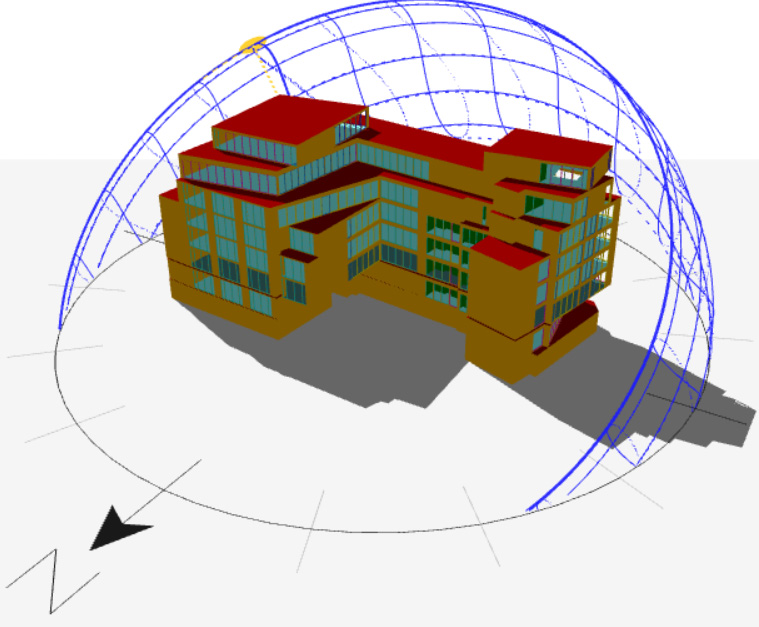
Our approach is straightforward, but it relies on careful and accurate work. We collect detailed site information for both the building fabric and the mechanical and electrical services. That information is then used to develop a dynamic simulation model using Level 5 software, allowing the assessment to be based on verified inputs.
Level 5 modelling becomes particularly important where a building is close to a rating boundary, or where the service strategy is not well represented by simplified assessment routes. It allows the assessment to reflect the building’s actual configuration and performance, using hourly weather data rather than broad averages.
In many cases, buildings can reach a solid B rating once the main performance drivers have been addressed. Moving from a high B to an A, however, is often less about intervention and more about the accuracy of the information used in the assessment.
In other situations, capital measures may be required to reach an A rating. Renewable technologies, particularly photovoltaic arrays and heat pumps, often provide a noticeable uplift and can be the measures that allow a building to cross the final threshold. Understanding whether that step is genuinely necessary depends on the quality of the initial assessment.
We are seeing increasing interest from clients in maximising EPC performance. While a B rating is achievable for many assets, it does not differentiate a building or tenancy in the same way an A rating does.
An A rating signals that a building is performing at the top end of the current framework, with less exposure to future regulatory tightening. It offers confidence to current and future occupiers and investors that the asset is efficient and less likely to require reactive intervention.
From our perspective, the most important factor in the route to an A rating is ensuring that the assessment is detailed enough to be worth the time and cost involved. This is why we use Level 5 assessment.
Before assuming that a building needs capital works to improve its EPC, it is worth establishing whether the current rating is based on complete information and an assessment method that suits the asset.
Level 5 modelling is not always necessary. It is more time-intensive than simplified routes and it needs good inputs to be worthwhile. Where the building’s underlying performance is already strong, however, it can be the difference between an EPC that reflects reality and an EPC that reflects defaults.
If you are keen to learn what rating we can achieve for your building, give us a call today!
Karsons Consulting are members of the Chartered Institute of Building Services Engineers, The Association of Consultancy and Engineering, British Institute of Facilities Managers and the Building Services Research and Information Association.

